
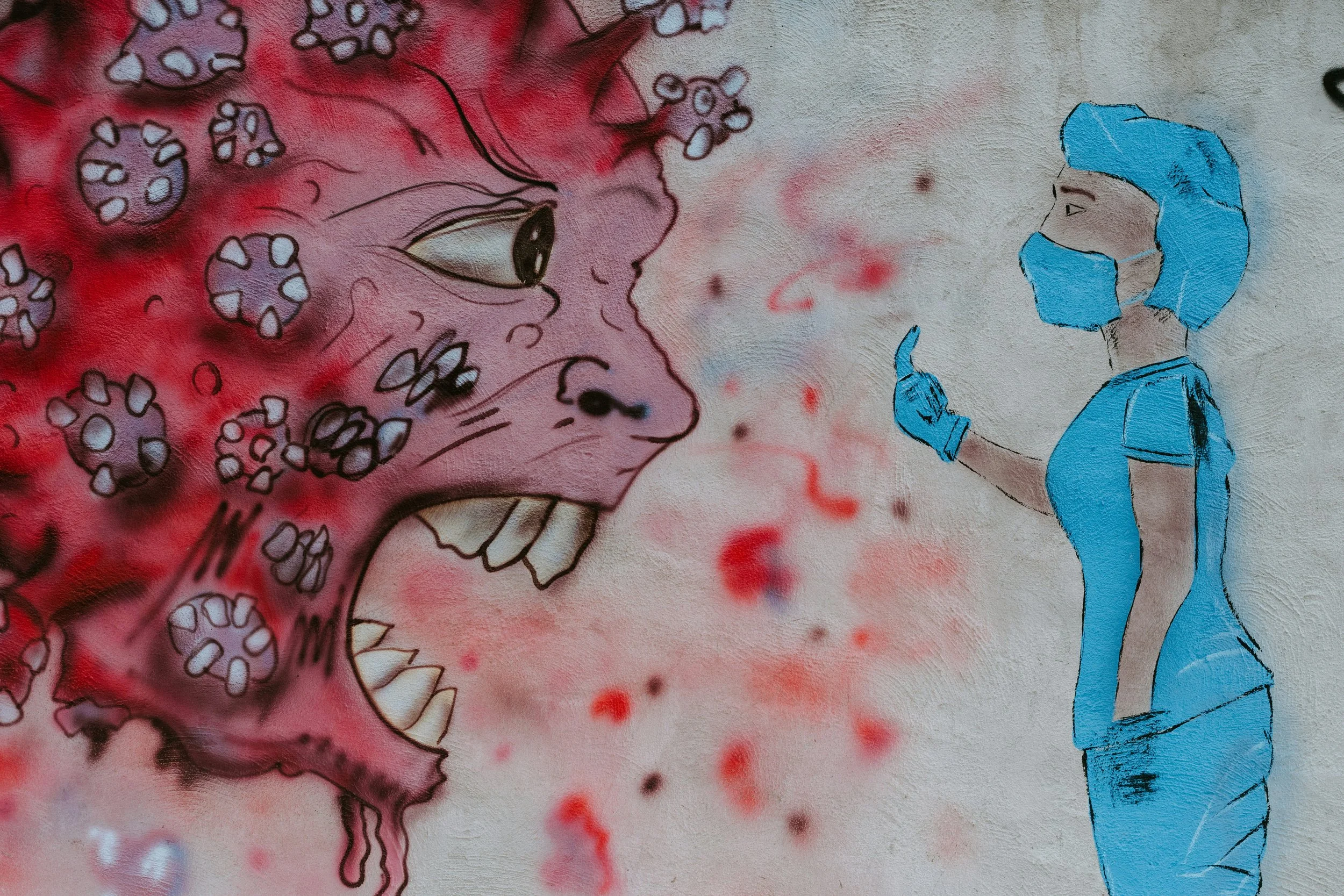
The NHS is struggling to cope with an increasing number of patients suffering from chronic unexplained symptoms like brain fog, anxiety, fatigue, muscle aches, poor exercise tolerance, low mood, poor gut health, headaches and more. Numbers has escalated since Covid. With some GPs allocating a mere 4 minute phone call to patients, there’s little hope of getting to the bottom of what is really going on. Is it therefore surprising that an increasing number of patients are being fobbed off with the diagnosis of “health anxiety” while trying to cope with the challenging symptoms affecting their quality of life? To find out more, please read on …
It’s all in your mind!
Where does the term “health anxiety” come from? The older term was “hypochondriasis” which was used for people who were excessively preoccupied with having or acquiring illness, with no significant physical symptoms explaining the cause. “Health anxiety” appears to be the more politically correct version. The NHS defines “health anxiety” as spending so much time worrying that you are ill, or going to become ill, that it takes over your life. It includes worrying that doctors or tests have missed something or repeatedly searching health information.
NICE Guidance
Medicine has become much more aware of anxiety as a contributor to physical symptoms and that anxiety can make any condition feel a lot worse. A good example is the amount of government-generated anxiety UK citizens received during the Covid lockdowns, which some people have not yet recovered from. NICE guidance also encourages clinicians to consider anxiety disorders in people who repeatedly seek assurance about physical symptoms, including people with chronic physical health problems.
The problem with GP appointments
Let’s hang on a minute and apply some logic to this. The NHS has established treatment pathways. Appointment slots with GPs can vary between 4 and 10 minutes. This is often a telephone call. At the same time, most people have heard of Long Covid. In 2024, approximately 2.0 million people in the UK were reported to be suffering from Long Covid with symptoms like fatigue, difficulty concentrating, muscle aches and generally feeling awful. Enough scientific research has now established that Sars Cov 2 is a hit and stay virus associated with immune suppression and reactivation of old dormant infections ranging from herpes viruses to Coxsackievirus and strep. There are also ann increasing number of prominent doctors in the UK talking of the damage done by the Covid injectables.
Long Covid - a real chronic illness
Post Covid illness involves multiple body systems:
neurological, cardiovascular and autonomic dysfunction, gastrointestinal, immune/autoimmune abnormalities, kidney and urinary dysfunction.
When millions of people develop persistent symptoms following Covid - and hundreds of thousands report that those symptoms substantially restrict their lives - “health anxiety” cannot simply become the default explanation wherever conventional investigations fail to identify the cause or are simply not available to do so.
Real people - real physical conditions
I meet people every week whose symptoms have been dismissed by other health professionals as “health anxiety” but who are in fact suffering from real undiagnosed physical conditions that affect the quality of their lives. Naturally, not knowing what is causing this creates anxiety. People would have to be blocks of wood to feel otherwise. Here are some examples:
*A lady in her forties with chronic fatigue and a list of debilitating symptoms - found to have active chronic Sars Cov 2 infection, chronic Coxsackievirus infection, chronic strep infection and an infected root filling which was helping to burden her immune system.
*A man in his fifties who had not been able to work since Covid - found to be suffering from chronic immune suppression, several viruses, including Sars Cov 2, an aggressive strain of H. pylori and chronic immune suppression.
*A gentleman diagnosed with “health anxiety” - found to have a rapid heart rate in atrial fibrillation with the presence of spike protein in his body and a serious jawbone infection.
*A lady with multiple unexplained neurological symptoms - found to have a significant dysfunction in her cervical spine as well as three viral infections and immune suppression.
*A man in his thirties whose life had come to a standstill after being prescribed multiple psychiatric medications - found to have a brain autoimmune condition with seven different infections, including Lyme and Sars Cov 2.
*A young lady with difficulty sleeping who had been prescribed antipsychotic medications to stop her from worrying - found to have enlarged tonsils obstructing her airway and contributing to sleep apnoea. Tonsillectomy corrected the breathing situation and she was able to come off medications and sleep well again.
So the take-home message is that while the NHS may do some amazing things, it doesn’t always get chronic complex conditions right and patients may slip through the cracks. Its clinicians don’t always have the time or the resources to investigate things properly. The days of authority figures always being right went out with the Victorians. If you have had a diagnosis of “health anxiety” or been told it’s “all in your head, you don’t need to worry” or “just take an antidepressant” and you don’t feel this is the right diagnosis, you have a right to second opinion. Indeed your life may depend on being willing to take control of your own health and doing your own due diligence.
If you suffer from chronic unexplained symptoms and want to find the causes, please get in touch with the Good Health Clinic on goodhealthclinic@outlook.com to request a free 30 minute Enquiry Call or book an appointment. Please note that an Enquiry call is not a consultation but an exploratory call to see if this is a clinical approach you wish to pursue.To your very good health,
Suzanne Jeffery (Nutritional Medicine Consultant)
M.A.(Oxon), BSc.(NMed), PGCE, GNC, BSEM, MNNA, CNHC
The Good Health Clinic at The Business Centre, 2, Cattedown Road, Plymouth PL4 0EG
Tel no: 07836 552936/ Answer phone: 01752 774755