If someone comes to see me suffering from chronic fatigue, brain fog, aches and pains, digestive disorders and their funds are limited, I suggest three vital tests to help get to the bottom of their symptoms. These are tests for Natural Killer cells, that part of your immune army that stops viruses and bacteria from getting into your cells, and two viruses - Coxsackievirus and Sars Cov-2. I have observed over 95% of individuals test positive for either Coxsackievirus or Sars Cov-2 or both, making this a wise choice for the pocket. something can then be done about something about the condition. To find out how these two common viruses can affect your health and what to do about it, please read on …
What is a virus and how does it make you sick?
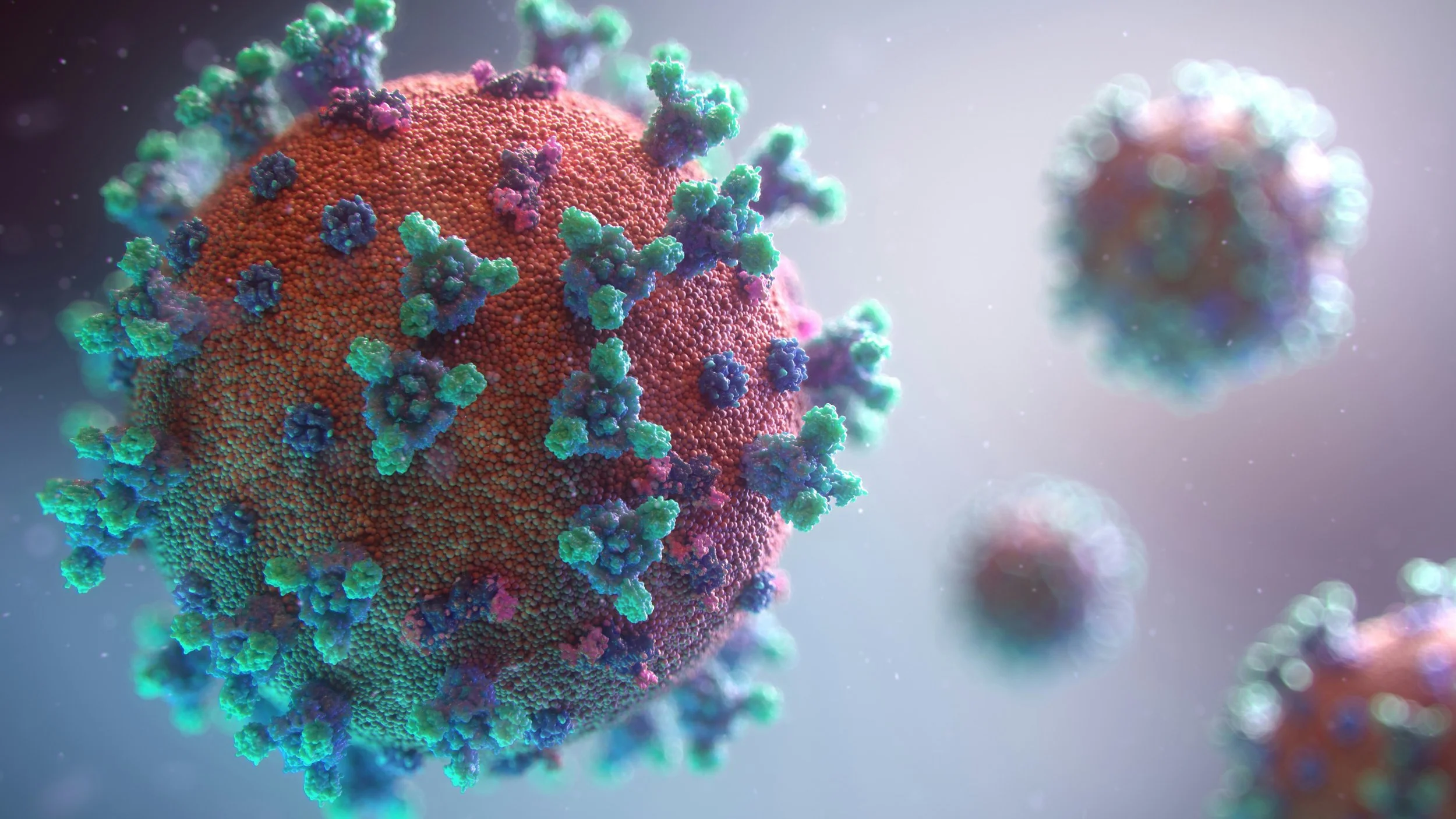
A virus is a tiny infectious agent that can only make more copies of itself by entering a living cell like a Trojan Horse and using that cell’s machinery. Unlike bacteria, viruses cannot reproduce independently. A virus may enter the body through the nose, mouth, eyes, respiratory tract, digestive tract or a break in the skin. It attaches itself to a cell and uses its machinery to make more viral particles. The immune system responds and activates immune defences. Natural Killer (NK) cells are an important part of the body’s first line of immune defence. They are particularly important early in an infection, when a virus is multiplying and the body needs to limit its spread. If NK cells are low, which I see frequently in clinical practice, the body is less effective at controlling viral infections and the effects may linger in for months or years. Viruses knock a huge hole in the energy bucket.
What is Coxsackievirus?
Coxsackievirus is named after the small town of Coxsackie on the Hudson River in upstate New York where the first recognised patients lived. It is an enterovirus (transmitted by the oral-faecal route) that can infect different parts of the body. It falls under the same classification as polio, and other enteroviruses. That means that virus particles from an infected person’s poo can enter another person’s mouth, usually through contaminated hands, food, water or surfaces.
There are different strains of Coxsackie viruses - Coxsackie A7 and B1 being the two strains I most commonly test for. Coxsackie B is very common in the UK and in the experience of Dr Armin Schwarzbach, who founded a specialist infection lab in Germany, the level of infection in the UK far exceeds that of any other country. The reason why is not currently clear but would make an interesting subject for research.
Several studies show evidence of Coxsackievirus detected in UK sewage, with Coxsackie B virus (the most damaging) from seawater at sewage-polluted sites. A British study published in 1980, titled Viral content of a sewage-polluted intertidal zone, repeatedly isolated Coxsackie B viruses from sewage, seawater and mussels at a sewage-polluted coastal site. A beach may meet its routine bacterial water-quality standard without having been tested for Coxsackievirus. As a sea swimmer myself, that is a matter of concern. The monitoring done by Surfers Against Sewage (SAS) is a valuable guide to minimising the risk as far as we can at present. Additionally, the practice of some farmers using material derived from human sewage on agricultural land is of concern. Unfortunately, there is no robust UK-wide figure for the total number of Coxsackie infections or their long-term effects.
Coxsackievirus strains A and B
Some forms of Coxsackie A strains are related to the hand, foot and mouth disease sometimes seen in nursery school settings. Coxsackie A is associated with fever, surface rashes and can cause small painful blisters at the back of the mouth and throat.
Coxsackie B1 is associated with more internal symptoms that can trigger illnesses like gastrointestinal distress to pericarditis, myocarditis, meningitis, autoimmunity and has been linked to the debilitating effects of ME/CFS.
Just as viruses such as Epstein Barr Virus (EBV) and herpes zoster (shingles) are known to remain in the body for life, the persistence of enteroviruses in the body is a credible area of research.
Coxsackie B1
Coxsackievirus B1 deserves a special mention because it can cause anything from an infection with no obvious symptoms to a more serious illness like autoimmunity, conditions affecting the heart, nervous system and other organs.
Common symptoms
*Fever, sometimes mild.
*Marked fatigue, malaise and weakness.
*Muscle aches and generalised body pain.
*Headache.
*Sore throat, sometimes with cough or cold-like symptoms.
*Nausea, vomiting, diarrhoea or abdominal pain.
*Occasional skin rash.
*Vertigo, dizziness.
These symptoms can resemble flu or another viral infection.
Muscle and chest pain
Coxsackie B can cause pleurodynia, a condition involving sudden, sometimes severe pain in the chest or upper abdomen due to inflammation of the muscles round the ribs. The pain may come in spasms and worsen with movement or breathing.
It can also cause:
*Myocarditis - inflammation of the heart muscle.
*Pericarditis - inflammation of the sac surrounding the heart.
Symptoms may include chest pain, breathlessness, palpitations, unusual exercise intolerance and pronounced fatigue.
Neurological symptoms
Coxsackievirus B infections can also affect the nervous system, causing:
*Viral meningitis, with headache, fever, neck stiffness and sometimes vomiting or sensitivity to light.
*Encephalitis, which may cause confusion, altered consciousness or seizures.
*Significant muscle weakness and rarely, paralysis.
Coxsackievirus B has also been linked in research to persistent chronic illnesses like ME and CFS. It is one of the most common viruses I see as a co-infection with Sars Cov-2.
Sars Cov-2 (Covid-19)
Sars-Cov-2, the virus that causes Covid infection, has been postulated to behave like a retrovirus by affecting the DNA of cells it infects. Please see my blog Long Covid: The Way Forward on the Good Health Clinic, Plymouth website.
Studies propose that Sars-Cov-2 and viral proteins remain in tissues - including the gut and other organs - for months after acute infection. They propose that persistent viral material, and potentially ongoing viral replication in some people, could contribute to continuing immune activation and Long Covid symptoms.
Acute Covid versus Long Covid
The main difference is that acute Covid is the initial infection, whereas Long Covid involves persistent, returning or newly developing symptoms after infection. The symptoms can overlap, but Long Covid affects multiple body systems.
Acute Covid symptoms
*Fever, chills, fatigue, weakness.
*Muscle aches, body pain.
*Cough, sore throat, breathlessness, runny nose.
*Headache, occasionally confusion.
*Rapid heartbeat.
*Diarrhoea, nausea, vomiting, loss of appetite.
*Disrupted sleep, feeling unwell.
*Altered taste or smell, sometimes rash.
Long Covid symptoms
*Post-exertional fatigue.
*Autonomic nervous system symptoms - racing heart, palpitations, unusual sweating, POTS (postural orthostatic tachycardia syndrome).
*Cognitive, neurological problems, brain fog difficulty finding words, sleep disturbance, dizziness.
*Digestive issues - reflux, bloating, diarrhoea, constipation.
If symptoms persist more than 12 weeks after initial infection, and are not explained by another diagnosis (“health anxiety” does not count as a diagnosis), this is termed Long Covid.
It is important to realise that Long Covid is not simply prolonged recovery or that old chestnut “health anxiety.” It can involve the following biological mechanisms which should be investigated by the correct lab tests:
1.Persistent viral material and inflammation in tissues.
2.Immune dysregulation - some immune cells like Natural Killer cells can remain suppressed. Other arms of the immune system can be overactivated. Both cause debilitating effects.
3.Reactivation of old dormant infections i.e. Coxsackievirus, Epstein-Barr Virus (EBV), shingles and others.
4.Autonomic nervous system dysfunction - disrupted heart rate, blood pressure, temperature and sweating, palpitations, dizziness and exercise intolerance.
5.Endogenous retroviral activation - Covid can reactivate sleeping retroviruses in our own DNA. This is always bad news for health.
Viral researcher Dr Dietrich Klinghardt has discussed the possibility that Covid can persist as a hidden or smouldering infection and contribute to immune dysfunction and reactivation of previous dormant infections. That is what makes it so important to detect and address.
The quickest route is to test privately. That is why when budgets are tight, my top three choices for tests are Coxsackievirus, Sars Cov-2 IgG and IgA antibodies and a deeper dive into the immune cells to include Natural Killer cell numbers. Based on statistics, we have a 95% chance of picking up a clue!
If you are suffering from unexplained debilitating symptoms and would like to find out why, please get in touch with the Good Health Clinic on goodhealthclinic@outlook.com to request a free 30 minute Enquiry Call or book an appointment. Please note that an Enquiry call is not a consultation but an exploratory call to see if this is a clinical approach you wish to pursue.To your very good health,
Suzanne Jeffery (Nutritional Medicine Consultant)
M.A.(Oxon), BSc.(NMed), PGCE, GNC, BSEM, MNNA, CNHC
The Good Health Clinic at The Business Centre, 2, Cattedown Road, Plymouth PL4 0EG
Tel no: 07836 552936/ Answer phone: 01752 774755
Disclaimer:
All advice given out by Suzanne Jeffery and the Good Health Clinic is for general guidance and informational purposes only. All advice relating to other health professionals’ advice is for general guidance and information purposes only. Readers are encouraged to confirm the information provided with other sources. Patients and consumers should review the information carefully with their professional health care provider. The information is not intended to replace medical advice offered by other practitioners and physicians. Suzanne Jeffery and the Good Health Clinic will not be liable for any direct, indirect, consequential, special, exemplary or other damages arising therefrom.