
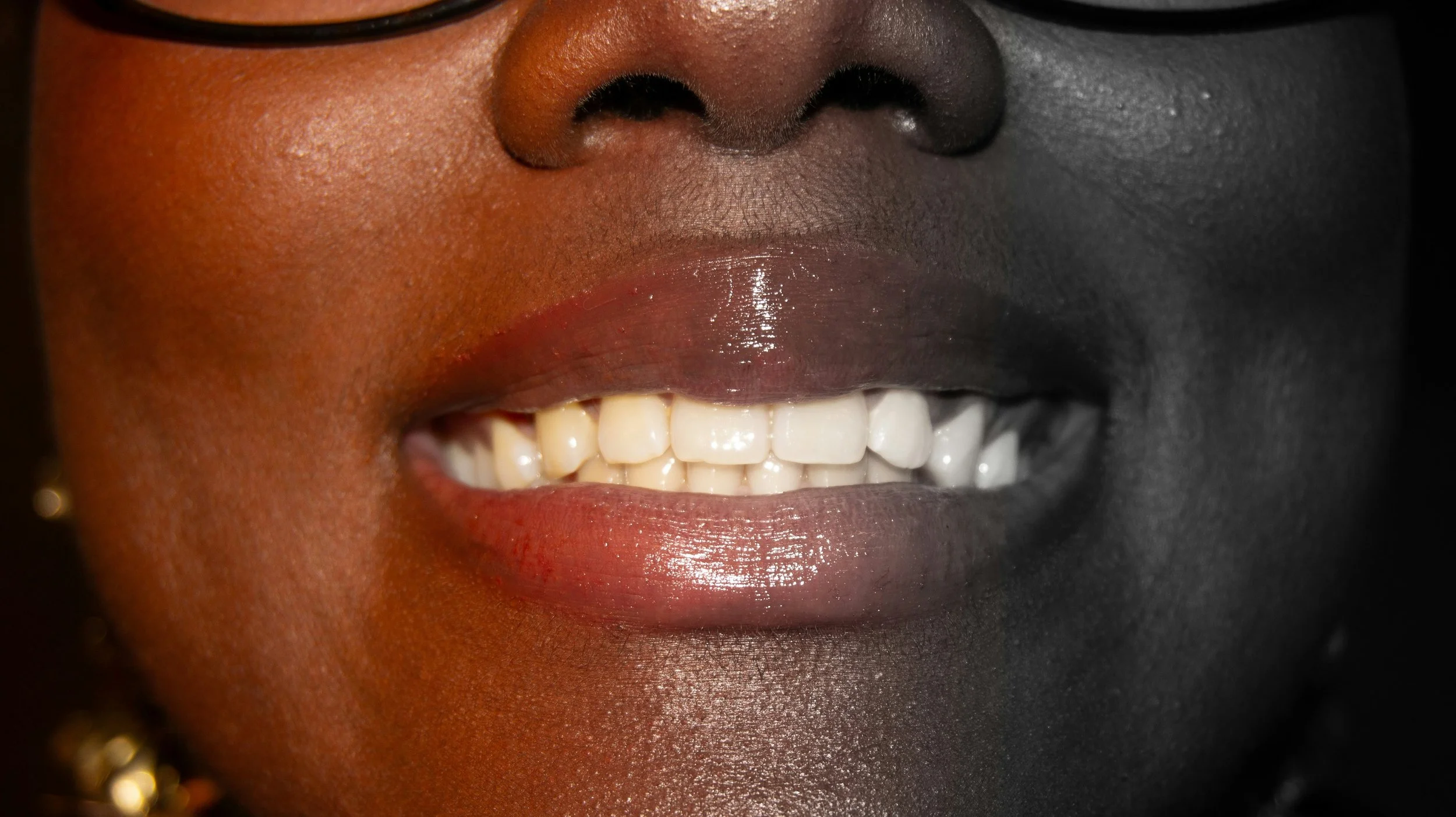
We tend to think of our teeth in terms of chewing, smiling and appearance. But their role in maintaining the structural balance of the jaw and face is often overlooked. One particularly neglected aspect of dental health is the vertical dimension of the bite or occlusion as it is called by dentists - the height maintained by the upper and lower teeth when the jaws meet. When height is lost through worn teeth, missing molars, poorly constructed restorations or worn down/badly made dentures, the consequences may extend beyond the mouth. Could a collapsed bite be more than a dental problem? Read on to find out …
Emerging research suggests that the relationship between our teeth, jaw mechanics and wider physiology deserves considerably more attention. Bite height, especially the height of your back teeth (molars), plays an extremely important role in the detoxification of your brain and central nervous system.
You brain need a good night’s sleep!
Unlike most tissues, your brain does not have a conventional lymphatic waste-disposal system running through it. Instead, it has an alternative network of fluid pathways that help remove metabolic waste products. This is called the glymphatic system. The name combines two words:
Glial: referring to glial cells, particularly astrocytes, which support and protect nerve cells.
Lymphatic: referring to the body’s waste-disposal and fluid-drainage system.
Brain waste clearance appears to be particularly active during deep sleep, especially non-REM sleep.
Where does bite height come into this?
Your back teeth help maintain the vertical dimension of occlusion i.e. the height between the upper and lower jaws where the teeth meet. When back teeth are lost, severely worn down, or inadequately replaced, the following changes can occur:
*Reduced vertical dimension - the lower jaw may close further towards the upper jaw.
*Altered position of lower jaw (mandible) - The lower jaw may adopt a different position, moving backwards in some individuals.
*Reduced tongue space - Changes in the jaw relationship may affect the space available for the tongue.
*Airway narrowing - In susceptible individuals, the altered jaw and tongue relationship may contribute towards narrowing of the upper airway.
Missing Molars: The Effects on Brain and Heart
What can reduced bite height lead to?
*Changes in jaw position and airway obstruction during sleep can lead to obstructive sleep apnoea (OSA). This causes repeated interruptions in breathing, oxygen fluctuations and changes in pressure inside your chest cavity where your heart and lungs are located. The chest muscles work harder, creating increasingly negative pressure inside the chest. This places mechanical stress on the heart and changes the movement of blood through it. Fluctuations in blood pressure, drops in blood oxygen surges in adrenaline, changes in the amount of blood returning to the heart and sympathetic nervous system activity during the night can put considerable strain on the heart. Repeated over months or years, these processes can alter the electrical behaviour of the heart, and over time, contribute to structural changes and disordered heart rhythms like atrial fibrillation. One particular study (Suita et al., 2020) found that altered bite could activate stress pathways involving the hypothalamic-pituitary-adrenal (HPA) axis and the nervous system in a mouse model.
*Reduced bite height can also lead to constriction of the veins in the neck and impaired drainage of waste products from the brain. Therefore, restoring the bite and identifying the right bite height that opens the lateral jugular vein, can place the patient in more of a relaxed state and improve blood flow to the brain.
*Loss of height of back teeth has also been associated with cognitive decline and dementia. There is evidence that loss of molar teeth and reduced chewing ability can affect the brain’s cholinergic system which is related to the production and release of the neurotransmitter acetylcholine. The back teeth are important for chewing but also contain sensory receptors in the ligament which attaches tooth to bone. This sends information to our brain whenever we bite or chew. Such changes associated with reduced oral sensory stimulation have been linked to cognitive decline.
What can you do?
Do you feel unwell? Do any of the following categories apply to you?
*Missing back teeth with no replacement.
*Wear and tear reducing height of back teeth.
*Full set of dentures but have not had them checked/relined in the past 5 years.
*Poorly made dentures.
*TMJ (jaw joint clicking)
*Vertigo
*Tinnitus
*Chronic neck pain
*Brain fog
*Unexplained atrial fibrillation
*Unrefreshed sleep/sleep interruptions/sleep apnoea/snorer/mouth breather.
*Chronic fatigue
Just having teeth one millimetre away from an optimum bite may seem insignificant, but research has shown that such a tiny change can have far reaching consequences for the whole neurological connections of the body. A number of studies showed that removing molars in animals produced impaired spatial memory, reduced acetylcholine production in the brain, reduced cognitive performance and triggered inflammatory stress-related changes.
Therefore, if you have any of the above issues, you need to find a specialist neuromuscular dentist or a Biological dentist who specialises in identifying and correcting bite issues. This is a dentist with specialist skills that are not ordinarily taught in dental school. Using techniques such as muscle relaxation, electrical nerve stimulation (TENS), jaw tracking and bite analysis, the dentist aims to identify a comfortable, balanced position for the lower jaw. Where posterior teeth have been lost or badly worn down, they may use temporary bite appliances or restorations to re-establish adequate support and vertical dimension.
If you would like help with any of the above issues, please get in touch with the Good Health Clinic on goodhealthclinic@outlook.com to request a free 30 minute Enquiry Call or book an appointment. Please note that an Enquiry call is not a consultation but an exploratory call to see if this is a clinical approach you wish to pursue.To your very good health,
Suzanne Jeffery (Nutritional Medicine Consultant)
M.A.(Oxon), BSc.(NMed), PGCE, GNC, BSEM, MNNA, CNHC
The Good Health Clinic at The Business Centre, 2, Cattedown Road, Plymouth PL4 0EG
Tel no: 07836 552936/ Answer phone: 01752 774755
Disclaimer:
All advice given out by Suzanne Jeffery and the Good Health Clinic is for general guidance and informational purposes only. All advice relating to other health professionals’ advice is for general guidance and information purposes only. Readers are encouraged to confirm the information provided with other sources. Patients and consumers should review the information carefully with their professional health care provider. The information is not intended to replace medical advice offered by other practitioners and physicians. Suzanne Jeffery and the Good Health Clinic will not be liable for any direct, indirect, consequential, special, exemplary or other damages arising therefrom.