
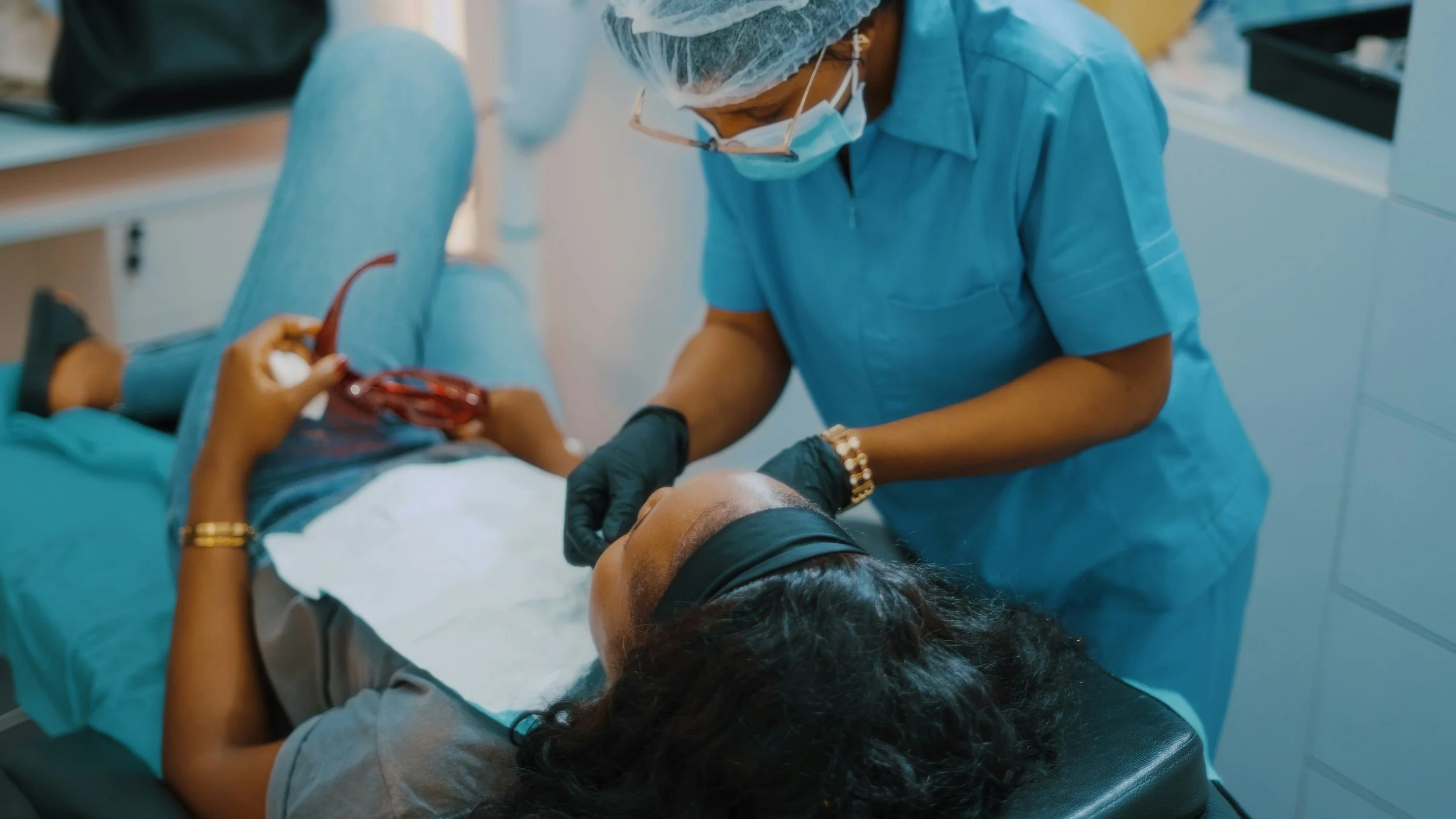
Do you have the world’s most toxic non-radioactive substance just a few centimetres away from your brain? If in doubt, just go look in the mirror and open your mouth. If you see a silver or darker coloured metallic substance in any of your teeth, the answer isn yes. Because those are mercury fillings and they leak toxic mercury vapour every time you drink, brush, chew or grind your teeth. How well you deal with the effects of this toxic tap depends on your ability to detoxify. Yet, over time, even the strongest detoxification pathways can get overwhelmed and you can end up with heavy metal poisoning. However, its progression is so slow and insidious and the symptoms so varied, that many doctors and dentists fail to recognise it. And the patient suffers on. If you have ever had mercury fillings, please read on to find out what you can do to improve your health and longevity …
What is Mercury?
Mercury is a naturally occurring heavy metal that is liquid at room temperature and easily forms vapour. It is highly toxic to the body, particularly affecting the nervous system, and accumulates in tissues over time. The vapour released from dental amalgams (fillings) is called elemental mercury vapour. It is easily absorbed through the lungs into the bloodstream and can cross the blood brain barrier, gut barrier and placenta. Once inside tissues, it is converted into inorganic mercury, which can become trapped and accumulate. Key areas of toxic accumulation include: the brain and central nervous system, the kidneys, the liver, the heart, the intestines.
Smoking Gun Video
The leakage of mercury from amalgams was dramatically illustrated in the well-known “smoking tooth” demonstration by researchers Fritz Lorsheider and Murray Vimy, where visible mercury vapour is released from an amalgam filling during stimulation by mechanical friction (like brushing or grinding), heat (such as from hot drinks), chewing or pressure (simulating normal biting). The more acid the saliva, the greater release of mercury. During the smoking of a cigarette, about 100 times more mercury is released. The older the filling, the rougher the tooth surface, the greater its area, the more mercury is released. If you have mercury fillings, don’t chew gum! Additionally, the constant 24/7 exposure to microwave/mobile phone radiation from Wifi and cordless phones drives the release of toxic mercury vapour from amalgam fillings. 80% of this migrates into the central nervous system with a half-life of 32 years.
Mercury and The Black Sheep
In the 1990s, Murray Vimy and Fritz Lorsheider conducted a series of experiments referred to a the “Black Sheep” mercury studies. Sheep were fitted with dental amalgam fillings to observe how mercury spread from amalgam fillings in teeth to organs in the body. The experiment demonstrated that mercury vapour from dental amalgams could be absorbed, cross biological barriers such as the blood-brain barrier, and accumulated in organs such as the brain and kidneys within days. These findings were influential in raising scientific and public discussion about mercury leakage from dental fillings. If we have ever had mercury fillings, we are all “black sheep!”
Galvanic Currents In The mouth
The word “galvanic” refers to the production of electrical current through chemical reactions, especially between different metals in a conductive fluid. The term comes from Luigi Galvani, who discovered that electricity could be generated in biological systems.
Galvanic currents occur in the mouth when different metals come into contact with saliva ( a good electrical conductor). Amalgam filling itself is a mixture of about 50% elemental mercury and 50% metal allow powder containing silver, tin, copper and trace amounts of zinc or other metals. This can create a measurable small electrical current, similar to a battery, sometimes leading to metallic taste, tingling and sometimes stranger symptoms. Biological dentists have devices that can measure the electrical currents of individual teeth.
These currents can also increase the rate of metal release from fillings. Galvanic activity is particularly bad in the case of root canal fillings (containing mercury) and other metals like gold crowns and titanium implants. Root canals should be removed before mercury fillings. In the presence of electromagnetic radiation from Wifi devices, metals in the mouth can become an antenna for concentrating radiation into the brain and head.
Typical Mercury Amalgam Diseases
Mercury amalgams can trigger extremely complex clinical disease pictures and a wide variety of symptoms. To someone untrained in toxicology and the slow insidious nature of mercury poisoning, mercury involvement in illness can be missed completely. When I was trying to get to the bottom of chronic debilitating symptoms many years ago, a GP took a volume from his shelf, read out the section on acute poisoning and concluded (wrongly, as it turned out) that mercury from my fillings was not having an adverse effect on my health!
In previous blogs on the Good Health Clinic website, How Mercury Fillings Wreck Your Health and Mercury Fillings, The Slow Poison In Your Mouth, I outline the variety of diseases associated with mercury toxicity.
Professor Boyd Haley was a biochemist who helped raise awareness of mercury toxicity by highlighting how mercury can disrupt enzymes (chemical messengers) and bind to sulphur-containing groups in proteins, damaging the functions of cells. He also contributed to early discussion linking mercury to neurodegenerative diseases.
These range of mercury-related diseases include:
*Neurological illness (Multiple Sclerosis, Parkinson’s Disease, ALS, Alzheimers, Dementia)
*Chronic fatigue syndromes (mercury suppresses the immune system and sets the scene for chronic infections)
*Fertility problems. Mercury crosses the placenta. The first gets a toxic dump from mum’s mercury amalgams during pregnancy.
*Gastrointestinal problems - it is almost impossible to create a healthy balanced gut flora in the presence of mercury fillings.
*Central nervous system over-activation (in women - nervousness, in men, aggression). Chronic intractable depression.
*Multiple organ dysfunction/diseases (kidneys, liver, thyroid, heart etc.)
If you have mercury amalgams…
Whatever your state of health, the science is overwhelming - you should not have mercury in your mouth! The EU voted to ban the use of mercury in dental amalgams in January, 2025. Many other countries have banned the use of mercury amalgams. In 2013, the UK signed the Minnemata Convention, pledging to reduce the toxic damaging effects of mercury in the environment. Mercury thermometers are no longer sold as the risk of breakage and spilling mercury is too great a risk to health.
Yet, here in the UK, we still have dentists placing toxic mercury amalgams in people’s mouths. Ask these dentists what regulations they have to follow when disposing of drilled out mercury? Amalgam is treated as hazardous toxic waste under UK environmental rules. Extracted teeth or debris containing amalgam must also be disposed of as mercury waste. Next time a dentist tells you that your mercury fillings are ok, ask them why mercury in extracted fillings must be disposed of as hazardous toxic waste, while the said filling is apparently ok in your mouth, centimetres away from your brain.
Safe Mercury Removal
If your dentist tells you that it would be safer to leave mercury fillings intact rather than drilling them out, they may be telling you the truth. That is, if they are a regular conventional dentist, untrained in safe amalgam removal.
The key message is that the presence of mercury amalgam fillings in anyone’s mouth is a long-term health hazard that can wreak havoc on multiple organ systems and can stop recovery from complex chronic conditions. But if you want to get rid of this toxic tap dripping into your body and poisoning its tissues, you have to go to a dentist who is trained in safe mercury amalgam replacement. These dentists have done extra training with an organisation called the IAOMT (International Academy of Medicine and Oral Toxicology). The procedure they use for safe amalgam replacement is called SMART (Safe Mercury Amalgam Removal Technique) and consists of rubber dam, separate air supply for the patient, full body protection and draping, mercury vapour reduction techniques and other specialist techniques. An outline of SMART protocol can be found on the IAOMT website. If a dentist wants to do it any other way, run a mile!
Before and After Removal Support
In addition to SMART protocol, the right patient support before and after dental amalgam replacement is vital. I always do this for my patients to make the process go smoothly. The steps I consider essential are:
Pre-replacement support
*Making sure that the patient’s health is at a point to support dafe mercury removal.
*Making sure that detox pathways are supported and open i.e. no constipation, correct liver support.
*Correct detoxifying, anti-inflammatory diet etc.
*A correct binder on board for at least a week prior to the first amalgam replacement. Continuing binder support throughout the dental work. A binder is a substance that attaches to toxins (such as metals or chemicals) in the gut to help carry them out of the body and avoid recirculation of toxins back into the body.
Post-replacement support
Once the amalgams have been safely replaced by non metal composite fillings, the toxic tap has been turned off! However, there is work to be done in gently removing mercury and other toxic metals in amalgams from the tissues. Remember Vimy and Lorsheider’s Black Sheep? A great many people stop at this point instead of completing the detoxification process with a practitioner trained in reducing metal load in tissues.
The half-life of mercury in brain tissues is estimated to be between 10-30+ years because mercury can be very tightly bound in nerve tissues. A half-life is the amount of time it takes for half of a substance to be removed or broken down in the body. So, if something has a 10 day half-life, after 10 days, you’d have half of the substance left, after another 10 days you’d have half of that remaining. The core idea of mercury detoxification is a focus on gentle, gradual mobilisation and continuous binding and elimination pathways. Key elements include:
*Clean diet to support liver, gut and lymphatic systems.
*Binders - to reduce reabsorption via the gut.
*Gentle mobilisation tools (botanicals)to help mercury move slowly out of tissues. Never mobilise mercury or try to detox from it while mercury is still in the mouth!
*Drainage support - liver, lymph, kidneys.
*Pacing strategy - because brain and tissue half-lives are long, aggressive chelation is avoided in favour of stage removal to reduce redistribution risk.
*Ionic foot bath can augment metal detoxification, if given in the right way.
In conclusion
*Mercury dental fillings should be a thing of the past.
*There is a wealth of scientific evidence relating to the damaging effects of mercury fillings on health. The UK lags behind many other countries by still retaining mercury in dentistry (follow the money?).
*If you have mercury fillings in your mouth, the sensible thing to do is get them safely replaced by a dentist trained in SMART protocol who does not use mercury in his practice (cross-contamination).
*Preparing a patient for safe mercury removal and supporting post replacement detoxification are not optional extras - but vital necessities to recover from mercury-related conditions.
*Knowledgable practitioners usually have a referral list of holistic dentists trained in SMART technique.
If you would have mercury fillings and you would like to explore safe amalgam replacement, please get in touch with the Good Health Clinic on goodhealthclinic@outlook.com to request a free 30 minute Enquiry Call or book an appointment. Please note that an Enquiry call is not a consultation but an exploratory call to see if this is a clinical approach you wish to pursue.To your very good health,
Suzanne Jeffery (Nutritional Medicine Consultant)
M.A.(Oxon), BSc.(NMed), PGCE, GNC, BSEM, MNNA, CNHC
The Good Health Clinic at The Business Centre, 2, Cattedown Road, Plymouth PL4 0EG
Tel no: 07836 552936/ Answer phone: 01752 774755
Disclaimer:
All advice given out by Suzanne Jeffery and the Good Health Clinic is for general guidance and informational purposes only. All advice relating to other health professionals’ advice is for general guidance and information purposes only. Readers are encouraged to confirm the information provided with other sources. Patients and consumers should review the information carefully with their professional health care provider. The information is not intended to replace medical advice offered by other practitioners and physicians. Suzanne Jeffery and the Good Health Clinic will not be liable for any direct, indirect, consequential, special, exemplary or other damages arising therefrom.