
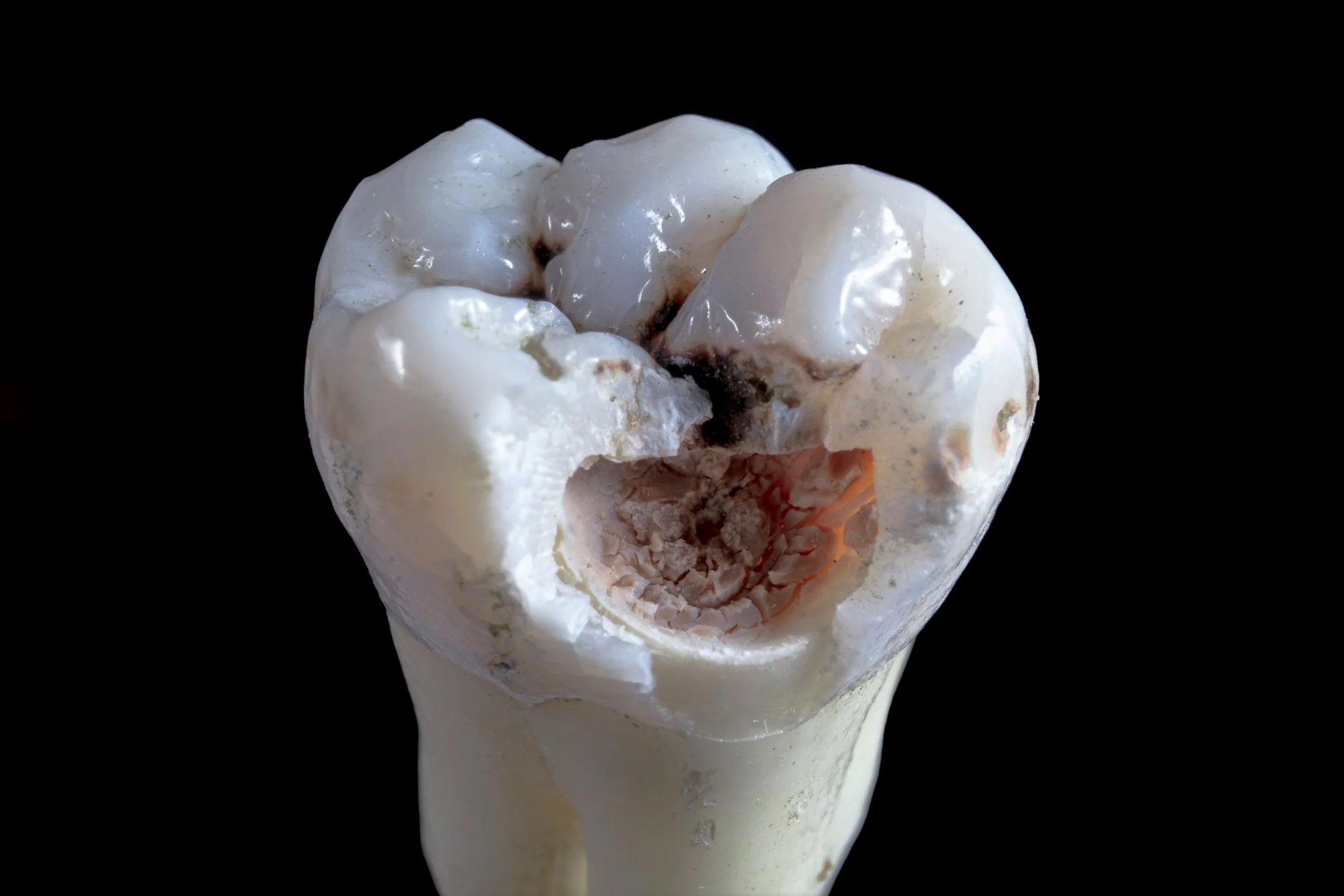
Mercury fillings used in dentistry, euphemistically known as “silver fillings” have generated thousands of scientific papers due to their toxic effects on the human body and its systems, including the brain. Mercury amalgam fillings are commonly linked to Alzheimer’s and dementia as well as many other diseases. Organisations like the International Academy of Oral Medicine and Toxicology (IAOMT) have campaigned for years for a complete ban on mercury fillings. Legislation to phase out mercury amalgams has been ongoing for a number of years. A number of countries have already phased them out. However, it is estimated that roughly half of all dentists in the UK still place mercury fillings. Legislation on the 1st of July, 2026 was a significant date for dental amalgam in the EU. So what impact could this have for mercury fillings in the UK? Read on to find out more …
EU Mercury Legislation Timeline
From 1st July 2018, restrictions on using mercury amalgams in the EU already applied to children under 15, pregnant/breastfeeding women and deciduous teeth.
From the 1st of January 2025, mercury amalgam use was prohibited throughout the EU, with limited exception for specific medical needs (The wording gives dentists considerable professional discretion because there isn’t a tightly defined statutory list of qualifying conditions). Export of dental amalgam was also prohibited from that date.
In November 2025, the EU reported that the Minamata Convention’s Sixth Meeting of parties adopted a global decision on phasing out mercury dental amalgam.
From the 1st of July 2026, the manufacture and import of dental mercury amalgam is prohibited.
The UK Position on Mercury Amalgams
So, dental mercury amalgam - is being phased out internationally. But what does the law actually say, and will mercury now be banned in the UK? As Great Britain is no longer part of the EU, legislation on its use of mercury amalgam fillings has been confusing. The short answer is - it will not yet be banned in Great Britain. For patients in the England, Scotland and Wales, dental amalgam has not been completely banned. Instead, the UK has adopted a policy of phasing down its use rather than introducing an immediate prohibition. There are already important restrictions in the UK. Since 1st July 2028, amalgam has generally not been permitted for:
*Children under 15
*Pregnant women
*Breastfeeding women
unless a dentist considers its use strictly necessary because of special medical needs (again, unspecific). There are also environmental requirements governing the handling of dental amalgam as toxic hazardous waste (strange that its ok to place inside our mouths).
So, mercury amalgam has not yet been banned in Great Britain and the NHS Business Services Authority (an organisation within the NHS that provides administrative and support services) confirms that the UK is pursuing a phase-down approach rather than outright ban. The 1st of July 2026 legislation did not suddenly make it illegal for dentists in the UK to place amalgam fillings. It principally closed another part of the amalgam supply chain within the EU. This however, represents a substantial move towards eliminating dental mercury amalgam from routine European dentistry in the EU. The global Minamata Convention, which the UK signed in 2013, has now set a global target of eliminating the manufacture, import and export of dental amalgam by 2034.
What About Northern Ireland?
Under the Windsor Framework, the EU Mercury Regulation applies in Northern Ireland from 1st July 2026, therefore, manufacture of dental amalgam in Northern Ireland is prohibited. However, the European Commission has agreed arrangements under which Northern Ireland can continue importing amalgam from outside the EU for treatment of patients living in the UK, subject to conditions. This will continue until 31st December 2034. Dental amalgam products still remain commercially available to dentists in the UK through UK dental supply companies and outside the EU.
So What Does The Future Hold For Mercury Amalgams?
The writing is clearly on the wall for mercury dental fillings, even in the UK! Although amalgam still remains available, supply chains are about to become more complex and practices should increasingly move towards composite /other mercury-free materials. By 2028-2034, I would expect mercury-free restorative materials to become the normal choice for most new fillings. By 2031-2034, I would expect the UK to have to introduce domestic legislation needed to meet the international phase-out commitment. By 2034, the international agreement is for dental mercury amalgam to be phased out globally. This will surely be a good thing for the nation’s health.
If mercury is being phased out, what should you do if you still have it in your mouth? How do you remove mercury amalgam safely and appropriately for your situation? To find the answers to these questions, please read my earlier blogs on the Good Health Clinic, Plymouth website:
*Mercury Fillings - Creating Disease and Stopping Recovery
*Ban Mercury Use in UK Dentistry
*Mercury Fillings: The Slow Poison In Your Mouth
*How Mercury Fillings Wreck Your Health
If you are looking for safe mercury amalgam removal, it is important that you do certain key preparations to safeguard your health and support the procedure way before you make it to the dentist’s chair. If you would like to find out more about these procedures, please get in touch with the Good Health Clinic on goodhealthclinic@outlook.com to request a free 30 minute Enquiry Call or book an appointment. Please note that an Enquiry call is not a consultation but an exploratory call to see if this is a clinical approach you wish to pursue.To your very good health,
Suzanne Jeffery (Nutritional Medicine Consultant)
M.A.(Oxon), BSc.(NMed), PGCE, GNC, BSEM, MNNA, CNHC
The Good Health Clinic at The Business Centre, 2, Cattedown Road, Plymouth PL4 0EG
Tel no: 07836 552936/ Answer phone: 01752 774755
Disclaimer:
All advice given out by Suzanne Jeffery and the Good Health Clinic is for general guidance and informational purposes only. All advice relating to other health professionals’ advice is for general guidance and information purposes only. Readers are encouraged to confirm the information provided with other sources. Patients and consumers should review the information carefully with their professional health care provider. The information is not intended to replace medical advice offered by other practitioners and physicians. Suzanne Jeffery and the Good Health Clinic will not be liable for any direct, indirect, consequential, special, exemplary or other damages arising therefrom.