
H. PYLORI: THE STOMACH INFECTION MOST PEOPLE DON’T KNOW THEY HAVE
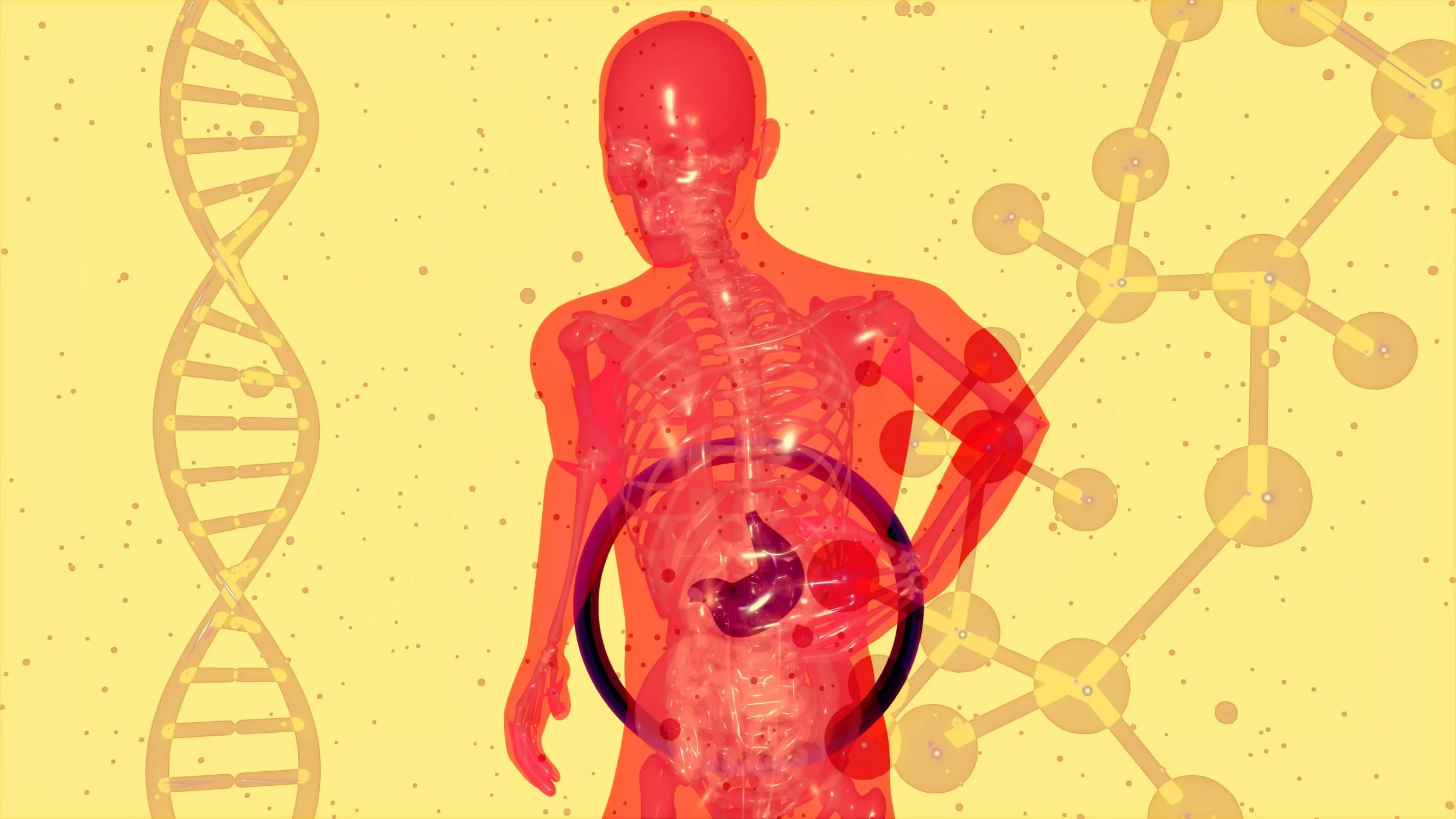
Helicobacter pylori (H. pylori) is one of the most chronic bacterial infections in the world - over half the world’s population is thought to carry it at any one time. It is also one of the most misunderstood. While many people carry it without symptoms, in others it can contribute to long-term digestive dysfunction, nutrient deficiencies, and even serious gastrointestinal disease like stomach cancer. Whether it produces symptoms or not, the presence of H. pylori can be a problem for an already burdened immune system. To find out how this works and what you can do to identify it, please read on …
What is Helicobacter pylori?
Helicobacter pylori (H. pylori) is a spiral shaped bacterium that lives in the stomach. Its name comes from “helico” (meaning spiral) and “pylori” (referring to the lower part of the stomach, the pylorus, where it is often found). It has lived alongside humans for tens of thousands of years, likely spreading mainly through close contact, such as saliva. Once in the stomach, it can burrow into the protective mucus lining and produce substances that help it survive. But in so doing, it can inflame and irritate the stomach lining, sometimes leading to gastritis or ulcers over time.
There are many different strains, some relatively mild and others more aggressive. Although it can survive in the stomach’s acidic environment by creating a neutral “bubble” around itself, it doesn’t mean high stomach acid is the problem - in fact, adequate stomach acid is important because it helps control microbes, support digestion, and prevents overgrowth of unwanted bacteria.
H. pylori sits in a bit of grey area - it’s not a true commensal (helpful or natural resident of the gut), but it’s not always an aggressive invader. The best way to describe it is an opportunistic pathogen. It can exist quietly in some people, but also has the potential to cause harm.
When does H. pylori become a problem?
H. pylori becomes a problem when the immune balance shifts - due to strain type, immune response, and stomach environment. As with most infections, symptoms are less about the bacteria itself and more about how the body responds to it.
Some people are more predisposed to catch H. pylori (poor hygiene, crowded living conditions in early childhood/ environmental factors). Other are more likely to react badly to it (genetics, compromised immune response, poor gut health, low stomach acid, leaky gut, chronic low-grade infections).
All the above can make it easier for H.pylori to colonise and cause damage. So it’s not just about the bacteria - it’s about the person, the strain, and the environment together.
Different types of H.pylori
H. pylori has many genetic variants, and these are usually grouped based on virulence factors (toxins and proteins) they produce. Some of the variants include:
*CagA-positive strains - Produce a protein called CagA (cytotoxin-associated gene A). This strain triggers stronger inflammation with higher risk of gastritis, stomach ulcers and stomach cancer.
*CagA-negative strains - Less inflammatory. More likely to remain asymptomatic or mild.
*VacA strains - Produce VacA toxin (vacuolating cytotoxin). Some VacA types cause more cell damage, increase stomach lining breakdown. Others are much less active.
*Additional proteins affecting H. pylori behaviour - BabA (helps bacteria to stick to stomach lining). OipA (linked to a more inflammatory immune response).
What Does H. pylori do?
H. pylori doesn’t just “sit” in the stomach - it actively changes the environment and the stomach lining over time. It burrows deep into the protective mucus layer of the stomach. It produces enzymes and toxins that irritate this protective barrier. This allows acid and inflammation to leak out into other tissues. The immune system reacts by creating ongoing low-grade inflammation. Over time, this can lead to changes in stomach acid production (too low or too high), gastritis, ulcers and even cancer. Because of inflammation and altered acid, H. pylori can affect absorption of nutrients like B12, iron, zinc and vitamin C. This is one of the most clinically important long-term effects. Irritation of the stomach lining can also affect nerve signalling, increase pain, nausea, and trigger altered appetite and reflux.
H. pylori has been detected in dental plaque, saliva and periodontal pockets (gum disease areas). The mouth may act as a reservoir of infection. This is especially relevant for people with gum disease, root canals, chronic oral infections, cavitations (hidden unhealed extraction sites), and failed implants, especially titanium implants. For recurrent H. pylori, cases that don’t respond to standard treatment, this dental factor should not be ignored.
H. pylori Symptoms
So, what symptoms might alert someone to the presence of H. pylori?
*Burning/gnawing pain in the upper abdomen (often worse on an empty stomach)
*Acid reflux/ heartburn
*Stomach discomfort after meals
*Bloating/frequent burping/excessive wind
*Nausea/ occasional vomiting
*Loss of appetite
*Unexplained weight loss
*Pain that improves or worsens after eating
*Iron deficiency anaemia
*Vitamin B12 deficiency
*Bad breath (halitosis)
*Chronic fatigue
*More serious symptoms - dark or tarry stools with possible bleeding, vomiting blood or coffee-ground-like material, persistent severe abdominal pain, fatigue/weakness.
*Many people with H. pylori have no symptoms at all.
With any unexplained stomach symptoms, H. pylori should be on the list to check with the appropriate lab tests.
Lab Tests for H. pylori
There is some debate about which lab tests for H. pylori are the most useful, especially those which show active current infection.
*C-Urea Breath Test for H. pylori - Regarded by Public Health England as the most accurate test for confirming/ruling out active infection. Needs a prescription and staff time to perform. Good for eradication confirmation after treatment.
*Stool Helicobacter Antigen Test (SAT) - Also regarded as a gold standard for confirming/ruling out active infection. It detects bacterial proteins directly, not host antibodies. Good for eradication confirmation after treatment.
*Helicobacter pylori blot IgG/IgA HLO-AK (CagA/VacA) blood test - A detailed antibody test that goes beyond a simple positive/negative result. It tells you whether H. pylori is present, how your immune system is responding, and how virulent (aggressive) the strain may be. IgG antibodies indicate longer-term or past exposure and can remain elevated after infection is gone. IgA antibodies reflect active mucosal (gut lining) immune response which is more suggestive of a current, active infection. When CagA is positive, this indicates a more aggressive, inflammatory infection with greater risk of gastric damage. When vacA is positive, this indicates tissue-damaging potential as vacA is a toxin that damages stomach lining cells. That is what makes this test so powerful. An important caveat: this is an antibody test, so it reflects immune response, not direct bacterial presence. However, this test doesn’t just ask: “Do you have H.pylori?” It answers: “How active is it, and how damaging could it be?”
Treatments for H. pylori
H. pylori should be treated because, if left unaddressed, it can drive chronic stomach inflammation, contribute to ulcers, impair nutrient absorption, and in some cases increase the risk of more serious gastric disease. Conventional treatment typically involves a combination of antibiotics and acid-suppressing medication to eradicate bacteria effectively. There are also natural approaches such as a combination of mastic gum, bismuth and herbal antimicrobials. An integrative approach using both antibiotics and natural antimicrobials can be particularly effective in addressing both the infection and the underlying gut environment.
What should you do if IgA remains positive after an eradication protocol? Advice tends towards not initiating a second treatment protocol but first confirming active infection with a stool antigen test or C-Urea breath test performed at least 4 weeks after completing therapy and 2 weeks after stopping PPIs (acid blockers). If the test is positive, a second treatment round is indicated. If the test is negative, despite persistent IgA, the consensus is that no further treatment is required.
If you are suffering from unexplained digestive symptoms and would like to find out why, please get in touch with the Good Health Clinic on goodhealthclinic@outlook.com to request a free 30 minute Enquiry Call or book an appointment. Please note that an Enquiry call is not a consultation but an exploratory call to see if this is a clinical approach you wish to pursue.To your very good health,
Suzanne Jeffery (Nutritional Medicine Consultant)
M.A.(Oxon), BSc.(NMed), PGCE, GNC, BSEM, MNNA, CNHC
The Good Health Clinic at The Business Centre, 2, Cattedown Road, Plymouth PL4 0EG
Tel no: 07836 552936/ Answer phone: 01752 774755
Disclaimer:
All advice given out by Suzanne Jeffery and the Good Health Clinic is for general guidance and informational purposes only. All advice relating to other health professionals’ advice is for general guidance and information purposes only. Readers are encouraged to confirm the information provided with other sources. Patients and consumers should review the information carefully with their professional health care provider. The information is not intended to replace medical advice offered by other practitioners and physicians. Suzanne Jeffery and the Good Health Clinic will not be liable for any direct, indirect, consequential, special, exemplary or other damages arising therefrom.